Project Over view
Our export and warehousing project is a structured business development initiative designed to collect, store, process, and ship agricultural products from producers to international markets efficiently. The export projects is valuable because they help reduce post-harvest losses, improve product quality, and increase export earnings
Key highlights of our Export Project:
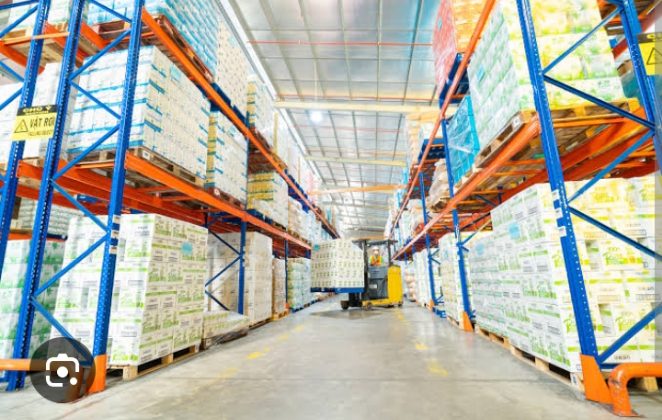
Temperature-controlled and secure storage facilities
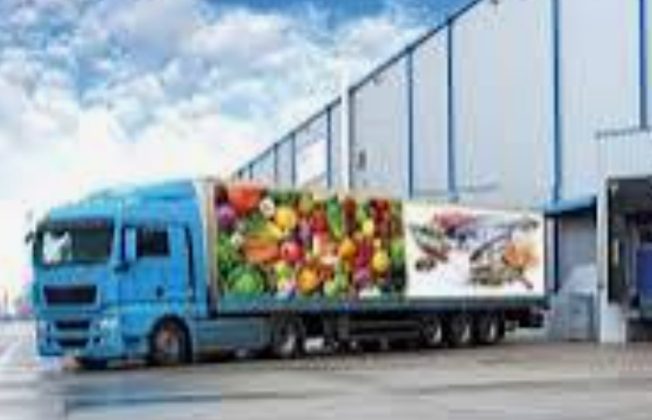
Timely and cost-effective export logistics
Compliance with global agricultural export standards
Real-time inventory tracking and reporting
Our Capabilities:
Cold storage and dry storage facilities
Packaging and labeling compliant with international requirements
Integrated supply chain and export management
Experienced team in agriculture logistics
Project Summary: Agricultural Export and Warehousing
The Agricultural Export and Warehousing Project is designed to strengthen the supply chain for local farmers, enhance post-harvest storage, and expand access to international markets. The project integrates modern warehousing facilities, cold storage, and logistics services to ensure that agricultural products retain quality during storage and transportation. By connecting producers to export markets, the project aims to increase farmers’ income and promote sustainable agricultural trade.
Objectives
Improve Storage and Preservation – Establish modern warehouses with temperature-controlled facilities to reduce post-harvest losses.
Facilitate Exports – Streamline export processes and provide logistics support for international trade.
Support Farmers – Offer aggregation services and better market access to small and medium-scale farmers.
Enhance Food Safety – Ensure compliance with international standards for handling, packaging, and labeling of agricultural goods.
Promote Sustainable Practices – Implement environmentally-friendly storage and transportation methods.
Key Components
Warehousing Facilities: Dry storage, cold storage, and silos for grains, fruits, vegetables, and other perishables.
Export Infrastructure: Packaging, quality control, and logistics hubs near transport nodes (ports/airports).
Digital Integration: Inventory management and traceability systems to monitor stock levels and quality.
Training & Support: Workshops for farmers on best practices in harvesting, post-harvest handling, and export compliance.
Target Products
1. Grains & Cereals
Rice – High demand in Africa, Middle East, and Europe. Premium varieties like Basmati fetch higher prices.
Maize (Corn) – Widely used for feed, food, and industrial purposes.
Wheat – Stable global demand, especially for hard wheat and specialty flours.
Quinoa & Specialty Grains – Niche markets with high margins in Europe and North America.
2. Fruits
Mangoes – Especially Alphonso, Kent, or Ataulfo varieties; high-margin export to the Middle East and Europe.
Pineapples – Popular in North America and Europe; processed or fresh.
Bananas & Plantains – Strong year-round demand; ideal for tropical regions.
Berries (Blueberries, Strawberries, Goji) – High-value export for frozen or fresh markets.
3. Vegetables
Tomatoes & Peppers – Exported fresh or processed (sauces, canned).
Onions & Garlic – Staple commodities with stable export demand.
Leafy Greens (Spinach, Kale, Lettuce) – High-value niche export, often frozen or chilled.
4. Nuts & Oilseeds
Cashews & Almonds – High-value, long shelf-life, strong demand in Europe, India, and the US.
Sesame Seeds – Increasing demand for organic and high-quality seeds.
Coconut & Coconut Products – Milk, oil, and desiccated coconut are profitable in Europe and Asia.
5. Processed Agricultural Products
Dried Fruits (Mango, Pineapple, Banana) – Longer shelf life, premium pricing.
Fruit Juices & Concentrates – Popular in Middle East and North America.
Vegetable Oils (Palm, Sunflower, Olive) – High global demand with consistent margins.
Spices (Chili, Pepper, Turmeric, Cinnamon) – High-profit export products for niche and premium markets.
6. Specialty & Niche Products
Organic & Fair-Trade Products – Fruits, grains, and coffee with certifications often fetch 20–50% higher prices.
Herbal & Medicinal Plants – Ginseng, moringa, aloe vera, and other botanicals have growing demand.
Coffee & Cocoa – Premium beans for specialty markets are highly profitable if properly processed.
Financial Highlights
Investment Required: $500k-1m
Projected ROI: 20–25% in 3–5 years
Revenue Drivers: Storage, exports, value-added processing
Break-even: ~18 months
Visual: Simple bar chart or ROI projection graph
Slide 9: Implementation Timeline
Phase 1 (0–12 months): Facility construction, equipment installation
Phase 2 (12–18 months): Operations launch, farmer onboarding
Phase 3 (18–36 months): Scale exports, expand product lines