


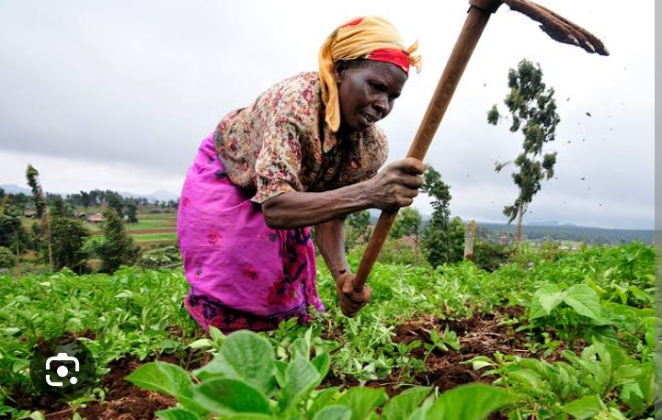
Regenerative Agriculture
Regenerative agriculture is an approach to farming and land management that focuses on restoring soil health, increasing biodiversity, and improving the overall resilience of ecosystems. Unlike conventional agriculture, which often emphasizes maximizing yields through chemical inputs and intensive monocropping, regenerative agriculture seeks to work with nature to create systems that are self-sustaining and environmentally restorative.
Here’s a breakdown of its key concepts and practices:
Core Principles
Soil Health and Carbon Sequestration
Practices that increase organic matter in soil, which improves fertility and helps capture carbon dioxide from the atmosphere.
Examples: cover cropping, compost addition, reduced tillage.
Biodiversity
Promotes diverse crops, livestock, and natural habitats.
Encourages ecosystems that are resilient to pests, diseases, and climate change.
Minimal Disturbance
Reducing plowing or heavy machinery use preserves soil structure and microbial life.
Closed-loop Nutrient Systems
Reusing waste products (like manure) as fertilizers rather than relying solely on synthetic chemicals.
Water Management
Techniques like mulching, contour farming, and agroforestry help retain water and prevent erosion.
Common Practices
Cover Cropping – Planting crops between main crops to protect and enrich soil.
No-till or Low-till Farming – Minimizes soil disruption.
Crop Rotation & Polyculture – Alternating crops or planting multiple types together to maintain soil fertility and reduce pests.
Agroforestry – Integrating trees with crops or livestock to improve biodiversity.
Holistic Grazing – Rotational grazing of livestock to mimic natural herd movement, enhancing soil and plant health.
Composting & Organic Amendments – Recycling organic matter into soil to boost nutrients and microbial activity.
Benefits
Environmental: Improves soil quality, enhances water retention, reduces erosion, increases biodiversity, and mitigates climate change through carbon sequestration.
Economic: Can reduce input costs for farmers, improve yield stability, and create new markets for regenerative products.
Social: Supports resilient rural
