Climate-Smart Agriculture
What is Climate-Smart Agriculture?
Climate-smart agriculture (CSA) is an approach to farming that helps farmers deal with climate change while increasing food production and protecting the environment.
Climate-smart agriculture focuses on three main goals:
Increase productivity (produce more food)
Adapt to climate change (handle droughts, floods, and changing weather)
Reduce greenhouse gas emissions (protect the environment)
Key Features of Climate-Smart Agriculture
1. Improving crop productivity
Using improved seeds (drought-resistant or fast-growing)
Applying better farming techniques
Increasing yield with fewer resources
2. Adapting to climate change
Adjusting planting dates based on weather
Using irrigation systems during dry seasons
Diversifying crops to reduce risk
3. Reducing environmental impact
Minimizing use of harmful chemicals
Practicing agroforestry (planting trees with crops)
Conserving soil and water
Examples of Climate-Smart Practices
Crop rotation
Drip irrigation
Organic farming
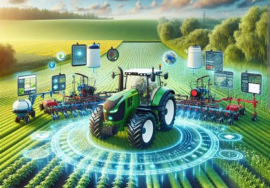
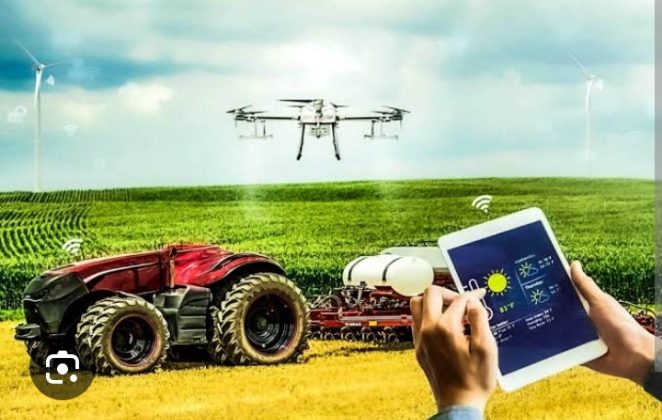
Use of precision tools
Integrated pest management
Why Climate-Smart Agriculture is Important
Helps farmers cope with climate change
Improves food security
Protects natural resources
Reduces pollution and emissions
✅ In summary:
Climate-smart agriculture is a sustainable way of farming that helps farmers grow more food, adapt to climate challenges, and protect the environment at the same time